Quick answers about booking, visas, packing, life on safari and climbing Kilimanjaro.
Booking & prices
How do I book my safari?
Send us a message or request a free quote. We listen, design a day-by-day plan, refine it with you, and book everything once you confirm with a 30{2b9aeca4f6e23ece3a6679900b12286b9ceda8ec54701be21dc51930ddef920e} deposit.
What does the quote include?
Airport transfers, all meals on safari, drinking water and a reusable stainless-steel bottle, accommodation, all park fees and government taxes, cultural tourism contributions, private use of a safari vehicle and your driver-guide, a donation to Umoja Tanzania and emergency medical evacuation insurance (unless stated otherwise).
What is not included?
Flights (unless stated), tips, additional food, snacks and drinks (unless stated), souvenirs, and activities on free days, such as in Zanzibar. Options for activities are given in your itinerary.
When do I pay?
A 30{2b9aeca4f6e23ece3a6679900b12286b9ceda8ec54701be21dc51930ddef920e} deposit confirms your booking and the balance is due 60 days before departure. See payment details and our terms & conditions.
Do you offer private or tailor-made safaris?
Yes — it’s what we’re known for. Every Taswira safari is tailor-made to your pace and interests, whether it’s a family adventure, a honeymoon or a solo trip.
Before you travel
Do I need a visa for Tanzania?
Most visitors need a tourist visa and a passport valid for at least six months. You can apply online in advance through the official Tanzania Immigration e-visa website. Check the latest rules with your embassy before you travel — see our visa guide.
What vaccinations do I need?
Ask your doctor or travel clinic about vaccinations and malaria prevention. You may need to show a yellow fever certificate on arrival, so bring it with you if you have one.
Should I bring cash?
Yes, for souvenirs, snacks, drinks and tips. If you bring US dollars, make sure the notes were issued in or after 2006 — older notes aren’t accepted in Tanzania.
Are there luggage limits?
Please bring a soft bag or rucksack of about 15 kg, plus a small bag for valuables. Bulky suitcases are hard to store in the vehicle; anything you don’t need on safari can be stored safely.
What should I pack?
Neutral-coloured, breathable clothes with long sleeves, a warm layer for early mornings, comfortable closed shoes, a hat and sunglasses. See our packing list.
On safari
What vehicle will we use?
A well-maintained 4×4 Toyota Land Cruiser with a pop-up roof, a guaranteed window seat for everyone, a fridge, charging ports and a radio. More about our vehicles.
Are meals included?
All meals on safari are included (except breakfast on the first day and dinner on the last). You’ll have picnic lunches and water on game drives. Tell us about any dietary needs or allergies.
Where will we stay?
From camping to mid-range lodges and luxury tented camps — every place we recommend has been personally visited by our team.
Should we tip?
Tipping is customary in Tanzania. As a general guide, we suggest $15–$20 per person per day for your guide, and $15 for the cook on a camping safari, given at the end of the trip. We pay our team fair salaries, so tipping is always at your discretion.
Is it safe to travel in Tanzania?
Yes — Tanzania is one of Africa’s most welcoming and stable countries. Our guides are trained professionals and our team is on call around the clock. How we keep you safe.
Is there an age limit?
No strict age limit. Some lodges set minimum ages (often 5–6 years) for certain activities such as walking safaris, and most camps aren’t fenced, so children must always be supervised. We recommend private safaris for families.
Do you arrange cultural experiences?
Yes — from walking with the Hadzabe hunter-gatherers to a morning in a Maasai boma or visiting farms and coffee co-operatives.
When to go
What is the best time for a safari?
The dry seasons, June to October and December to February, make wildlife easiest to spot. The green season (March to May) brings beautiful landscapes, fewer crowds and lower rates. See when to visit Tanzania.
When can I see the Great Migration?
December to March for calving in the southern Serengeti, April to June in the western corridor, July to October for river crossings in the north, and November as the herds return south.
Can I combine a safari with Zanzibar or Kilimanjaro?
Absolutely — climb Kilimanjaro, explore the Serengeti and Ngorongoro, then relax on Zanzibar’s beaches, all in one trip.
Kilimanjaro
How long does it take to climb Kilimanjaro?
About five to nine days, depending on the route. The more days you spend acclimatising, the better your chance of reaching Uhuru Peak.
Which route is best?
There are seven main routes: Northern Circuit, Lemosho, Shira, Machame, Rongai, Marangu and Umbwe. The best one depends on your fitness, time and budget — compare our routes.
When is the best time to climb?
January to early March and June to October, when skies are clearest. We avoid April and November, the main rainy seasons.

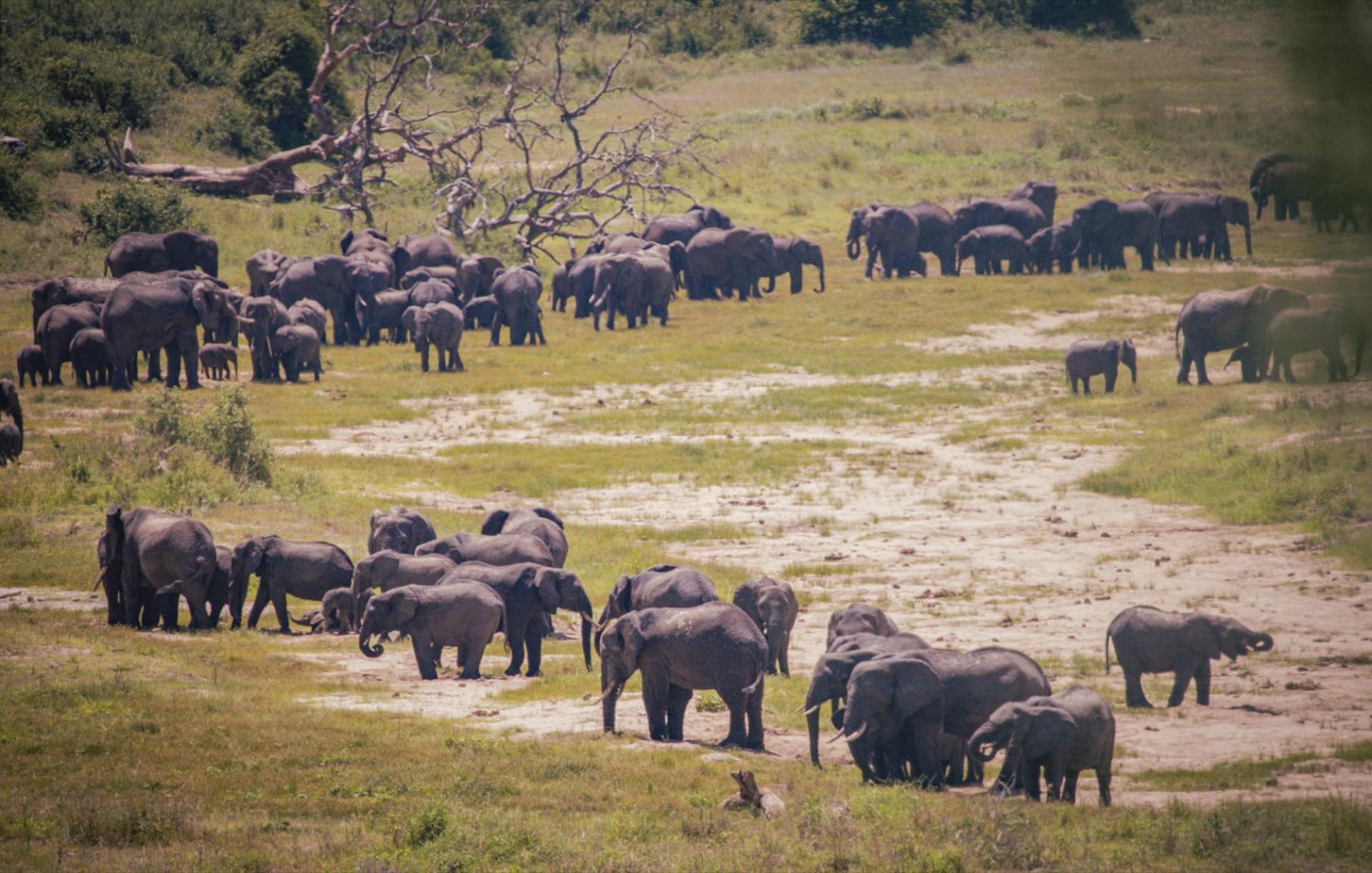
 Tarangire | Ngorongoro Crater2 daysMid-range