Boutique, fully licensed safari company · Locally based in Arusha, Tanzania

Planning guide

Plan your Tanzania trip

When to go, how to get here, visas, health, packing and costs — the practical answers our guests ask us most.

Month by month

When to go

There’s no bad time for a Tanzania safari — each season has its own highlight. The dry months are best for game viewing; the green season is quieter and better value.

  • JanGood

    Calving season begins in the south; warm, short dry spell.

  • FebPeak

    Calving at its height around Ndutu — lots of predator action.

  • MarGood

    Last of the calving; rains start late in the month.

  • AprGreen season

    Long rains. Lush, quiet parks and lower prices.

  • MayGreen season

    Rains ease; herds move through the central Serengeti.

  • JunGood

    Dry season starts. Herds head west and north.

  • JulPeak

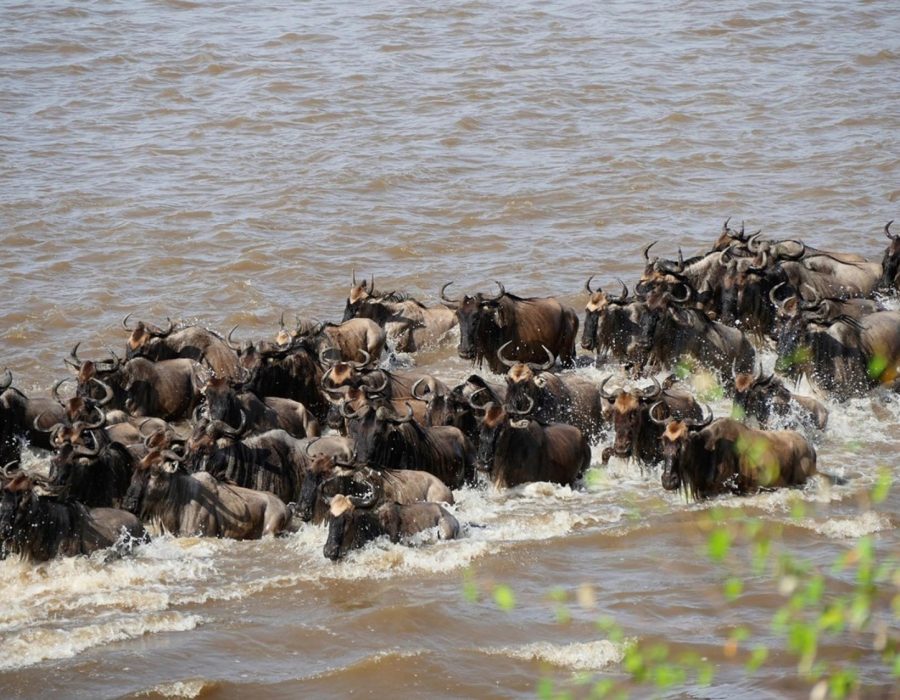
    Dry and clear. River crossings begin in the north.

  • AugPeak

    Mara River crossings; the busiest month.

  • SepPeak

    Crossings continue; excellent game everywhere.

  • OctGood

    Still dry and great for game; fewer visitors.

  • NovGreen season

    Short rains; herds stream back south.

  • DecGood

    Green plains and the herds return to the south.

Getting there

Getting there

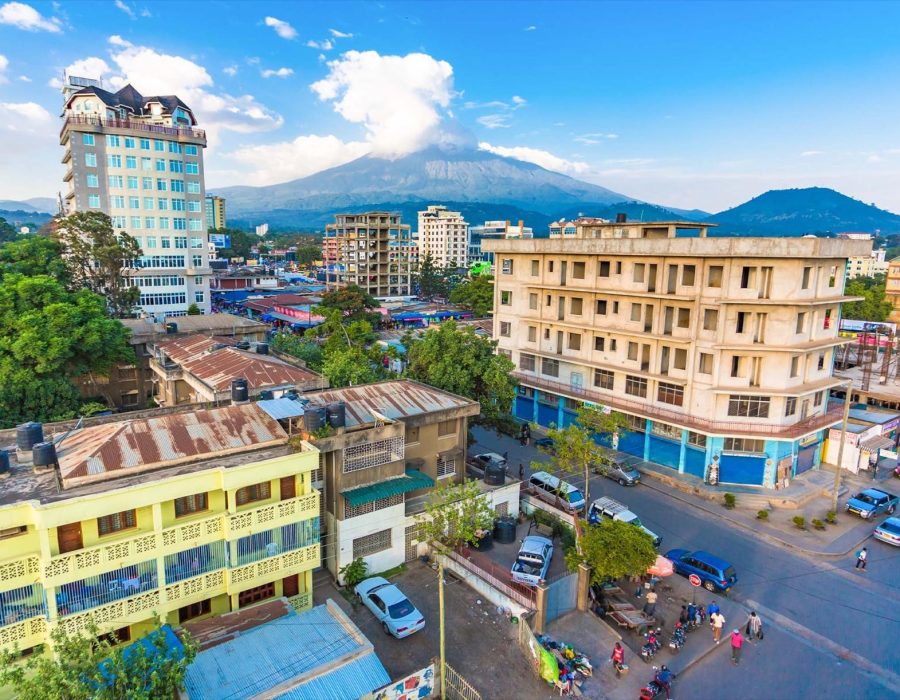
Most safaris start in Arusha. International flights land at Kilimanjaro International Airport (JRO), about an hour’s drive away.

  • Kilimanjaro International Airport (JRO) — best for northern safaris and Kilimanjaro
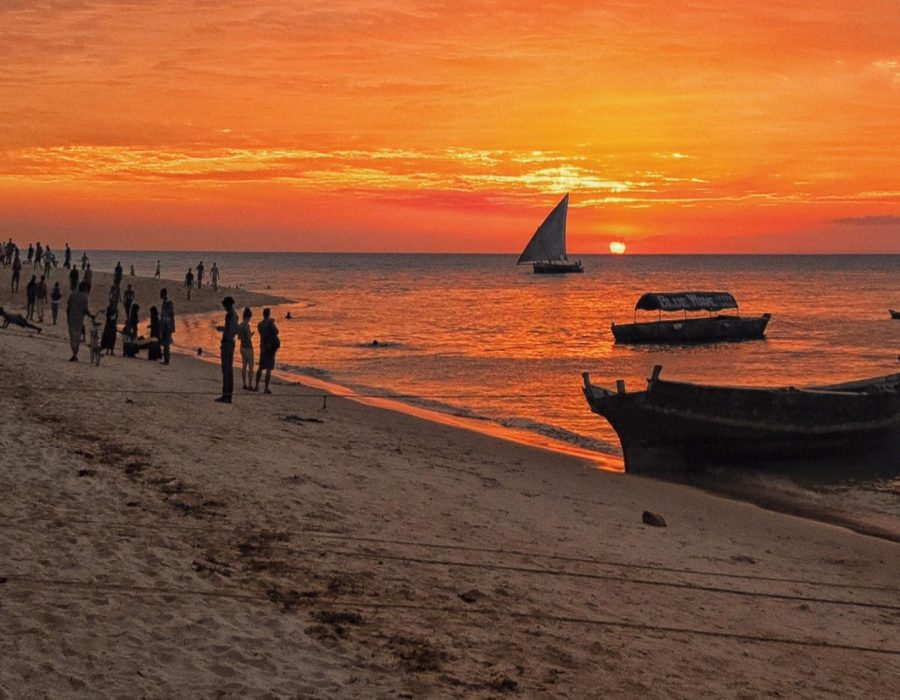
  • Zanzibar (ZNZ) — for beach holidays and fly-in safaris
  • Dar es Salaam (DAR) — for the southern parks
  • We arrange your airport transfers and any light-aircraft flights
Visas & entry

Visas & entry

Most visitors need a visa for Tanzania. The easiest way is to apply online in advance through the official Tanzania Immigration e-visa website.

  • Your passport should be valid for at least six months after you arrive, with blank pages
  • Apply for your visa well before you travel
  • A yellow fever certificate may be required if you arrive from, or transit through, a country with yellow fever risk

Entry rules can change — always check the official Tanzania Immigration website and your own government’s travel advice before you go.

Health & insurance

Health & insurance

See a doctor or travel clinic about six to eight weeks before you travel for advice on vaccinations and malaria prevention.

  • Travel insurance with medical evacuation cover is strongly recommended
  • We carry clean drinking water on board — bring a reusable bottle
  • Pack sunscreen, insect repellent and any personal medication
What to pack

What to pack

Pack light and in layers: early mornings and the highlands can be cool, and afternoons are warm. Soft bags are easiest in safari vehicles and on light aircraft.

  • Light clothes in neutral colours, plus a warm fleece
  • Comfortable closed shoes and sandals
  • Sun hat, sunglasses and sunscreen
  • Binoculars, camera, spare batteries and a power bank
Money & tipping

Money & tipping

US dollars are widely used for tips and small purchases; bring clean, recent notes. Cards are accepted at most lodges, often with a fee.

  • Carry some small notes for tips and souvenirs
  • Tipping guides and lodge staff is customary — we’ll send our tipping guidelines with your booking
  • ATMs are available in Arusha and Zanzibar town
What a safari costs

What a safari costs

The price depends mainly on the season, your comfort level, group size and the number of days. Every quote we send is itemised, so you can see where the money goes.

  • Short safaris start from $695 per person (2 days)
  • Budget camping safaris start from $1,721 per person (5 days)
  • Most mid-range 5–7 day safaris are around $2,300 – $3,000 per person
  • Kilimanjaro climbs start from $1,350 per person (5 days)

Prices are per person from our current safari listings; your final price depends on your dates and group.

Questions

Good to know

How far ahead should I book?

For July to October and the Christmas holidays, six to twelve months ahead gives you the best choice of lodges. Other months are usually fine with a few months’ notice.

Is Tanzania safe to visit?

Tanzania is a popular, welcoming destination. Your guide is with you throughout the safari, and our Arusha office is on call while you travel. As anywhere, follow your government’s travel advice.

Can children come on safari?

Yes. Many of our safaris welcome children, and we plan shorter drives and family-friendly lodges. Tell us their ages when you enquire.

Can we combine a safari with Zanzibar or Kilimanjaro?

Yes — it’s one of our favourite combinations. Zanzibar is a short flight from Arusha or the Serengeti, and a climb fits easily before or after a safari.